Post Format

Link

Discover more Insights
145 Insights
Explore Insights
CapitalismEconomyHumanityLeadershipSocietyValues
UN General Assembly

Global Compact +15

Marking the UN Global Compact’s 15th anniversary, Global Compact +15 brought business and civil society to the United Nations to show how the private sector is taking action and partnering to advance societal priorities, with an emphasis on the United Nations global agenda for sustainable development (i.e. the Sustainable Development Goals – SDGs). The General Assembly Session was a unique gathering of all participants and special guests in the UN General Assembly Hall. Together participants aimed to demonstrate to Governments the private sector’s critical role in solving our world’s greatest challenges and show how the Global Compact’s work is at the heart of the United Nations agenda.

Explore Insights
Tom Friedman Column

The Age of Protest

If you go to The Guardian’s website these days you can find a section that is just labeled “Protest.” So now, with your morning coffee, you can get your news, weather, sports — and protests. I found stories there headlined, “Five Fresh Ideas for the Street Art Agitator in 2016,” “Muslim Woman Ejected From Donald Trump Rally After Silent Protest” and, appropriately, “We Are Living in an Age of Protest.”

Explore Insights
BehaviorCapitalismEconomyHumanityPhilosophy

Why Today’s Capitalism is No Longer Laissez-Faire

If ever we needed any evidence that we are undergoing a huge shift in the very nature of capitalism, how our economy is organized and what business fundamentally is, we need only look to how and how much new business language is being invented. While business often gets accused of being jargony, of creating unintelligible phrases, I think much more is going on with this flowering of ethically-minded language.

Explore Insights
AIPause

Do Robots Have Electric Mantras?

As those of us in the Northern hemisphere settle into the autumn, I’m mindful of persistent advice from business gurus telling me that I should be practicing mindfulness, but I’m even more mindful that mindfulness has become one of the most overused, watered-down tropes of the year. The television series Silicon Valley nails this problem on the head, when it has Gavin Belson, the chief executive of Hooli, the show’s Google-like fictional technology company, consulting with his spiritual advisor for ways to use yoga and meditation to crush his opposition.

Explore Insights
EducationLeadershipNext Generation Leaders
WSJ

Why Colleges Must Teach Students to Pause

It’s fashionable to push for education reform these days, but the results of our various programs and initiatives are often harder to pinpoint exactly. American students’ achievement remains stagnant compared with their international peers, and just this year U.S. students received the lowest overall scores in a decade on the SAT. Despite the movements to create better math and science-based STEM programs, and to limit the number of vocabulary words students need to know for standardized tests, it seems our focus for what our children need to know is narrowing even further when it should be doing the opposite: expanding.

Explore Insights
Innovation

What Makes an Innovative CEO?

Anyone can change his or her behavior to improve creative impact in a company. According to the authors of the Innovators DNA, the five skills of disruptive innovators are questioning, observing, networking, experimenting and associational thinking (drawing connections among unrelated fields). These chiefs that follow make one or more of these habits a daily even

Explore Insights
ConnectionCultureLeadershipTrustValues

The ultimate sign you’re working for a great company

Fortune’s annual “100 Best Companies to Work For” list provides useful insights into how we collectively view corporate culture. Most of us flip through the pages or click through the screens hovering over pictures and blurbs highlighting gourmet chefs, nap rooms, yoga instructors and other signifiers of “great” workplaces.

Explore Insights
Leadership

Six key principles for ethical leadership

The world hasn’t just changed, it has been dramatically reshaped. When we can do business across continents in a matter of seconds and the Dow can lose and recover $136 billion in minutes because of a Twitter hoax, it’s clear that technology does more than just connect the world.

Explore Insights
EconomyLeadershipSocietyThe HOW Philosophy
92Y

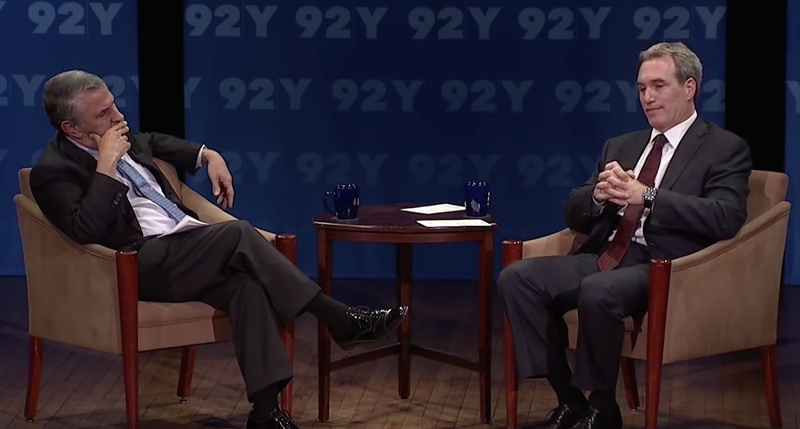
The HOW of Repairing our World with Dov Seidman and Tom Friedman

Join us for the first in a series of conversations on HOW individuals, nations and business must urgently change how they behave, lead and operate in a world that is more interconnected and interdependent. This first evening will examine the challenges in the global arena at this pivotal time and the fundamental shifts needed to solve our most pressing problems.

Explore Insights
Tom Friedman Column

Time for a Pause

You could easily write a book, or, better yet, make a movie about the drama that engulfed Sony Pictures and "The Interview," Sony's own movie about the fictionalized assassination of North Korea's real-life dictator.

Explore Insights
ApologiesCultureLeadershipPauseSocietyTrust

Measuring the Apology of the Atlanta Hawks

This is the fourth apology in our Apology Metrics series in which we present apologies for readers to assess. Our goal is not to evaluate apologies as theatrical performances but to evaluate the apologizer’s behavior over time to see whether there has been genuine change. The survey for this apology will be predictive rather than retrospective. We will follow up with a retrospective evaluation after at least a year.

Explore Insights
Tom Friedman Column

Order vs. Disorder

Imposed order, says Seidman, “depends on having power over people and formal authority to coerce allegiance..."

Explore Insights
ApologiesCultureLeadershipPauseSocietyTrust

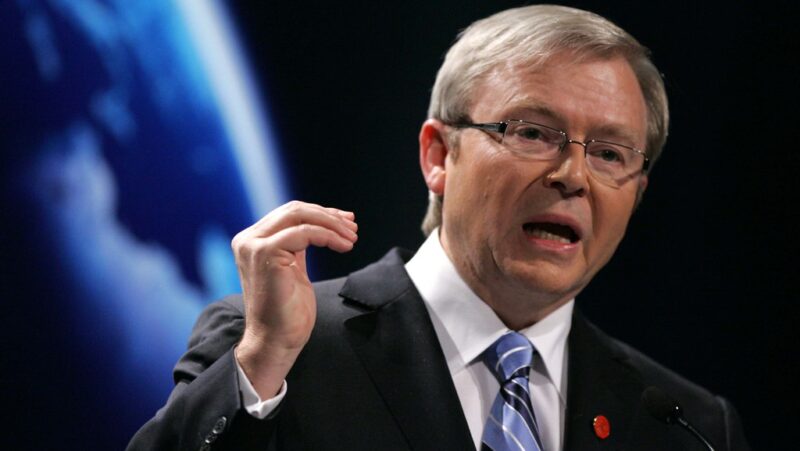
Measuring the Apology of Kevin Rudd, Former Prime Minister of Australia

This is the third apology in our Apology Metrics series in which we present apologies for readers to assess. Our goal is not to evaluate apologies as theatrical performances but to evaluate the apologizer’s behavior over time to see whether there has been genuine change. This time, we will look at the apology of Kevin Rudd, the former prime minister of Australia, to Australia’s indigenous community in 2008. With the benefit of six years of hindsight, we are in a much better position to judge the apology’s authenticity.

Explore Insights
AIBehaviorCapitalismCommunityCultureEconomyFrameworksHumanityInnovationJourneysLeadershipMission and PurposeTechnologyTrustValues
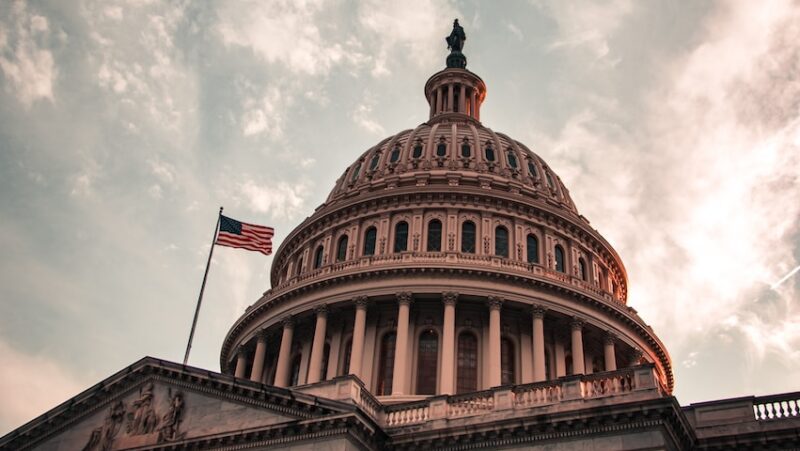
the dome of the u s capitol building under a cloudy sky
USSC

Testimony Before the U.S. Sentencing Commission

We are in troubling times for the business community, and your work is greatly appreciated by it. Trust of American business is at an exceedingly low level, perhaps the lowest since the Great Depression. The actions of a few, spectacular malfeasants have sullied the reputation of business as a whole and exposed the need for greater vigilance, and greater penalties for failures of compliance and ethics.

Explore Insights
Metrics

What Does Freedom in Business Mean for You?

No matter where you are on the political spectrum, for capitalists, free enterprise is sacred and an inherent good. But what if we looked at free enterprise another way, and asked What is the role of freedom in the corporate setting? And how do levels of freedom affect the bottom line?

Explore Insights
Tom Friedman Column
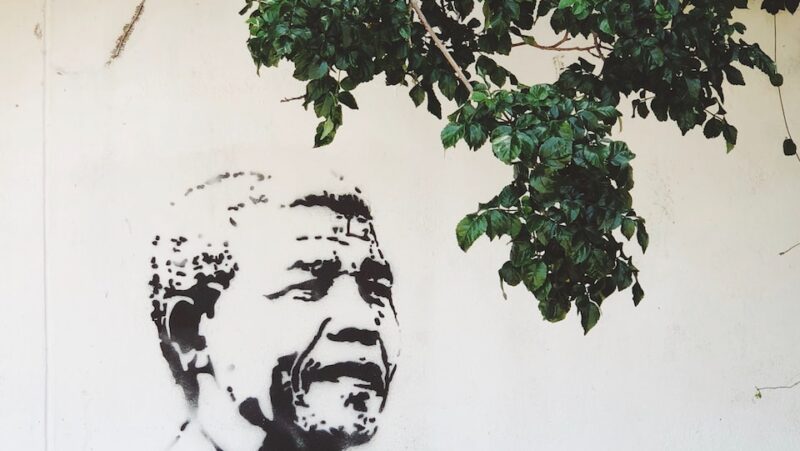
man illustration

Why Mandela Was Unique

The global outpouring of respect for Nelson Mandela suggests that we’re not just saying goodbye to the man at his death but that we’re losing a certain kind of leader, unique on the world stage today, and we are mourning that just as much. Mandela had an extraordinary amount of “moral authority."